Dreams about car accidents are among the most common and startling dream experiences. The sudden impact, the screeching of tires, or the helpless feeling of losing control can jolt us awake with a racing heart. While these dreams can be deeply unsettling, they are rarely literal premonitions of future events. Instead, they are powerful metaphors crafted by our subconscious mind, using the universal symbol of the car to communicate about our life's journey, personal agency, and internal conflicts. Understanding these dreams requires looking beyond the frightening imagery to decode the symbolic message about our waking life.
Core Concept
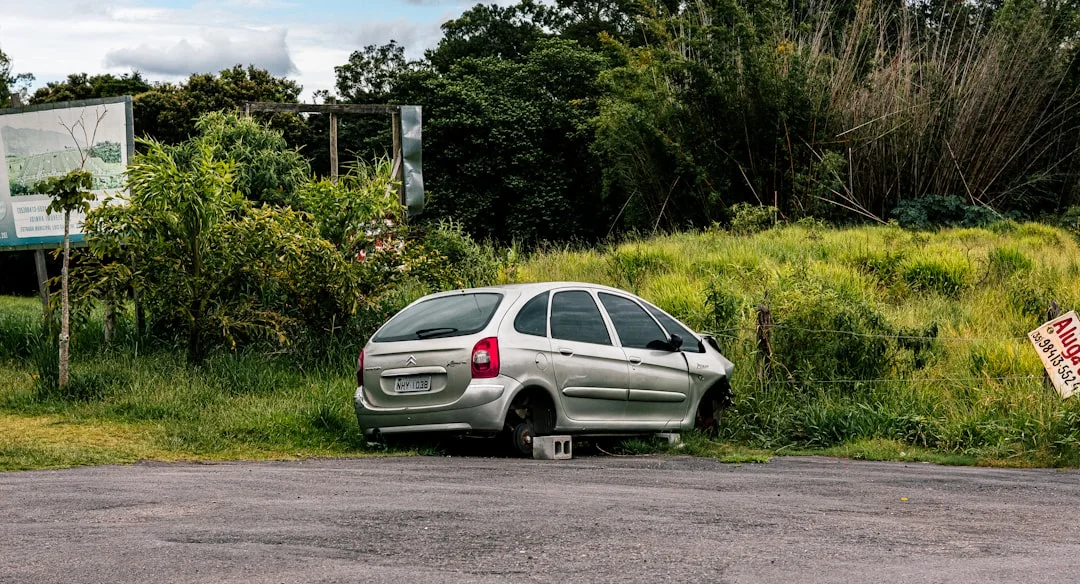
In dream interpretation, a car is almost universally understood as a symbol of the self and the direction of one's life. It represents your physical body, your personal drive, and the path you are currently traveling. The car's condition, who is driving, and the road it is on all provide crucial context. Therefore, a car accident in a dream is a dramatic metaphor for a collision or disruption in your life's course. This is not necessarily a negative omen but a signal that something is off-balance. For example, dreaming of a minor fender-bender might symbolize a small argument or a minor setback at work, while a catastrophic, multi-vehicle pile-up could point to a feeling of complete life upheaval or a crisis involving multiple people. The key is to examine the details: Were you the driver or a passenger? Was the accident your fault or caused by another? Answering these questions reveals whether you feel in control of your life's direction or are being driven by external forces.
Traditional Meaning
From traditional and cultural perspectives, dreams of accidents and collisions often speak to the concept of disrupted harmony and the flow of vital energy. The principle of Yin-Yang balance in dreams is highly relevant. A car accident can symbolize a severe imbalance between opposing forces in your life. The active, controlling, masculine Yang energy of the driver may be in conflict with the more passive, receptive, feminine Yin energy of the vehicle or the road. The violent collision represents the moment this internal tension reaches a breaking point, demanding attention and rebalancing. In symbolism and Five Elements associations, the car itself is a complex symbol. It contains Metal (its structure and engine), Fire (its combustion and power), and Water (its fuel and cooling systems). A crash disrupts this careful elemental synergy, suggesting that the energies that usually propel you forward are now in chaotic conflict. The road represents the Earth element, providing stability and direction. An accident on a treacherous road hints at a lack of stable foundation in your endeavors. Cultural interpretations of dreams have long viewed vehicles as extensions of the dreamer's social status and fortune. In many traditions, dreaming of a damaged or wrecked vehicle was not seen as a prediction of literal disaster, but as a warning about one's reputation, resources, or social standing being at risk. It was a prompt to proceed with caution, to check one's plans for flaws, and to ensure one's "vehicle" through life—be it career, relationships, or health—was well-maintained.

Modern Interpretation
Modern psychology provides a rich framework for understanding car accident dreams, focusing on internal states rather than external fate. From a psychological perspective, these dreams are classic expressions of anxiety, loss of control, and fear of the unforeseen. The car represents the ego—the part of the psyche that navigates daily reality. An accident, therefore, symbolizes an "ego crash," a moment where your conscious plans and self-image collide with repressed emotions, external pressures, or unexpected life changes. It is the mind's way of simulating a high-stakes scenario to process underlying fears in a safe environment. Subconscious mind explanations delve deeper into the symbolism. If you are the driver in the accident, your subconscious may be critiquing your current life choices, suggesting you are being reckless, inattentive, or heading in a dangerous direction. If you are a passenger, it often reflects feelings of powerlessness, that someone else is making decisions that affect your life's journey, or that you have surrendered your agency. Witnessing an accident from afar can indicate anxiety about changes or conflicts happening around you that you feel you cannot influence. Common interpretations in daily life connect directly to personal circumstances. Such a dream frequently surfaces during times of major transition—a new job, the end of a relationship, or a move to a new city—where the "path forward" feels uncertain. It can also signal conflict in a relationship, where two "vehicles" (perspectives or desires) are on a collision course. In a work context, it might symbolize a project going off the rails or a fear of professional failure. The emotional residue upon waking—whether it's fear, guilt, or relief—is a direct clue to the waking-life issue being processed.
Insights
- Dreaming of being a helpless passenger in a crash strongly indicates feelings of powerlessness in a waking-life situation where you believe someone else holds the steering wheel.
- A dream where your brakes fail and you cannot stop the car points to a real-life scenario where you feel unable to slow down or prevent an impending negative outcome.
- Surviving a severe car accident in a dream often symbolizes resilience and can be your mind's way of rehearsing your ability to overcome a current major life challenge.
- If you dream of causing an accident, examine areas of your life where you may feel responsible for a conflict or a disruption, even if the blame is not entirely yours.
- Recurring dreams of near-misses suggest persistent anxiety about a potential problem that you have so far managed to avoid but remain hyper-vigilant about.
Conclusion
Dreams about car accidents are intense, symbolic communications from the subconscious. They use the potent metaphor of a journey and its disruption to highlight areas of imbalance, anxiety, and conflict in our waking lives. By moving past the initial fear and analyzing the dream's details—your role, the cause, and the aftermath—you can uncover valuable insights about your sense of control, your current direction, and the internal or external pressures you are navigating. Rather than being portents of doom, these dreams are ultimately calls for self-reflection, urging you to check your bearings, reassess your speed, and ensure you are on a path that aligns with your true self.